


REVIEW: Tootsie
- Tori Bullard (they/them)

- 4 days ago
- 4 min read
There is no denying that Tootsie arrives at Teatro with an impressive amount of polish. Cameron Mitchell's production is slick, energetic and exceptionally well-executed, with a company that throws itself wholeheartedly into the material. From a purely technical standpoint, there is plenty to admire. Yet as the final curtain fell, one question lingered above everything else: why are we putting on Tootsie in 2026?
Based on the 1982 film and later adapted into a Broadway musical, Tootsie follows Michael Dorsey, a notoriously difficult actor who disguises himself as a woman, Dorothy Michaels, in order to land a role. While the musical attempts to modernise aspects of the original story, those efforts ultimately feel superficial. Shifting the setting forward and sprinkling in contemporary references does little to address the fundamental issues at the heart of the material. The result is a show that feels strangely out of step with the current theatrical landscape.
What makes this particularly frustrating is that the production itself is often excellent. Mitchell's direction provides the evening with a clear sense of purpose, while his choreography is sharp, smooth and wonderfully executed. The ensemble moves with precision and confidence, delivering some of the production's strongest moments.
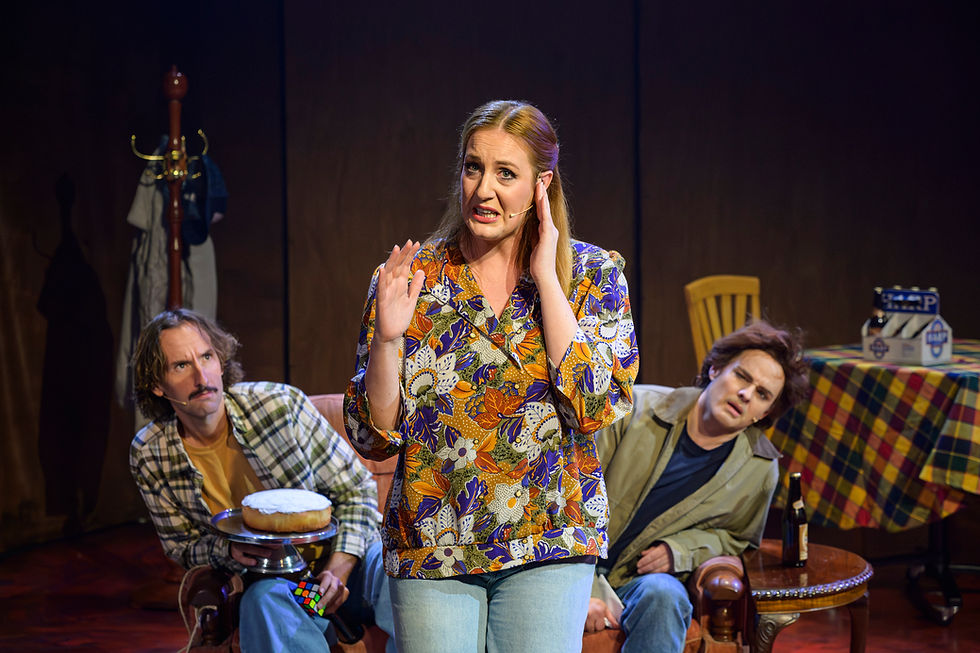
Dan Potra's set design is a constant delight, making clever use of the Teatro space and embracing the heightened theatricality of the piece. Peter Rubie's lighting design is easily among the strongest seen at the venue to date, adding texture, energy and atmosphere throughout.
The musical direction from Nicholas Till is equally impressive. Backed by Kevin Wang's arrangements, the band sounds absolutely superb, delivering a rich and vibrant score that often elevates material that otherwise struggles to land. The overall sound of the production is genuinely delicious, with Niamh Sinclair's sound design ensuring every musical moment shines.
The cast, too, is filled with talent. Tyran Stig is a standout as Jeff Slater, bringing warmth, impeccable comic timing and a welcome sense of self-awareness to the evening. Jeff often functions as the show's voice of reason, and Stig's performance makes it impossible not to wish the character's perspective carried more weight within the narrative. His Act Two number briefly offers hope that the musical might finally interrogate some of its more frustrating ideas, only for that promise to be quickly abandoned. Nevertheless, Stig remains a constant highlight throughout the production, extracting every possible laugh and ounce of heart from the material.
Alana Tranter is another standout, delivering a hilarious, charismatic performance full of commitment and vocal strength. Her character's struggles and frustrations feel instantly recognisable to anyone who has spent time in the performing arts industry, making her one of the show's most relatable and engaging presences. Tranter navigates both the comedy and sincerity of the role with ease, consistently earning some of the evening's biggest laughs.
Much of the supporting company is similarly excellent, bringing energy and personality to every moment they are given.
Andrew Bevis certainly possesses a strong vocal instrument as Michael Dorsey and Dorothy Michaels, but the performance often leans towards a broad, almost pantomime-style approach that feels at odds with the material's attempts at sincerity. As a result, the character's journey becomes increasingly difficult to invest in.
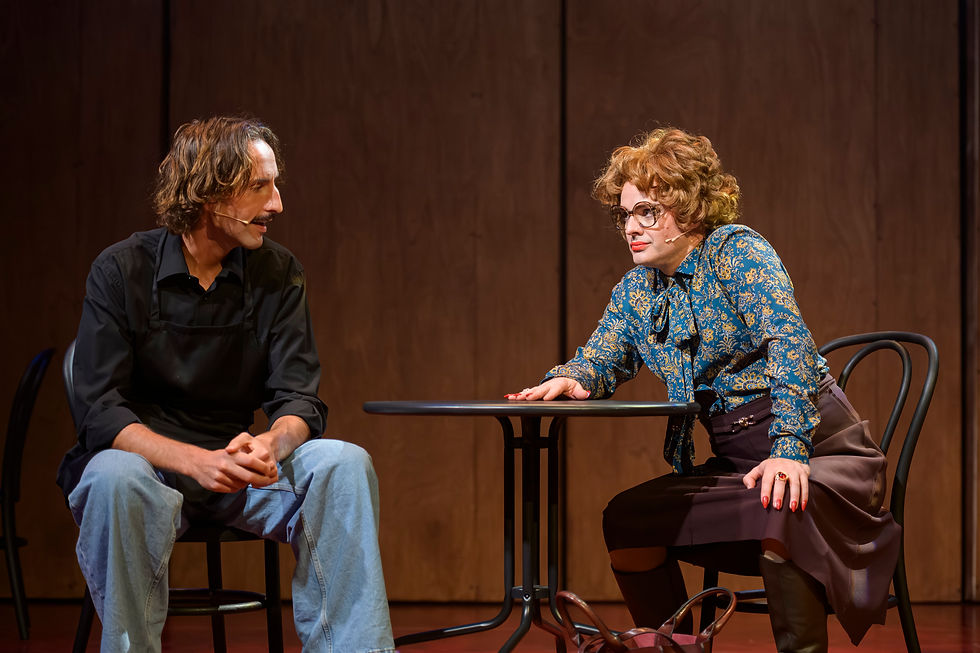
And perhaps that is the production's greatest challenge: Michael Dorsey himself. The musical repeatedly asks the audience to embrace and ultimately forgive a character whose behaviour remains deeply unpleasant for much of the evening. While the script frames his experiences as transformative, the growth never feels substantial enough to justify the redemption it so desperately seeks. Instead, Michael often comes across as self-centred, entitled and frustratingly unwilling to listen to those around him.
This is where the cracks in Robert Horn's book become impossible to ignore. For every genuinely funny joke, there is an underlying sense that the musical is wrestling with ideas it never fully understands. The show gestures towards conversations about sexism, gender and power, but rarely engages with them in any meaningful way. At times, it feels less interested in examining those issues than in using them as setup for the next punchline.
That disconnect makes the entire piece feel increasingly uncomfortable. The musical wants credit for acknowledging misogyny while simultaneously relying on many of the attitudes it claims to critique. As a result, what may once have felt daring or subversive now feels dated, confused and surprisingly hollow.
Which is a shame, because there is so much talent on stage and behind the scenes working overtime to make it succeed. Nearly every creative element of this production is operating at a high level. The cast is strong, the visuals are impressive, the choreography sparkles and the orchestra sounds fantastic.
Yet no amount of polish can fully overcome material that feels fundamentally at odds with the moment in which it is being presented. Tootsie may still generate laughs, but by the end of the evening, it feels less like a rediscovered gem and more like a relic from another era that never quite justified its return.
As accomplished as this production is, I ultimately left wondering not how Tootsie was staged so well, but why Tootsie was staged at all.
You can catch Tootsie playing at Teatro until the 21st of June


